Research Projects
WHO & McGill
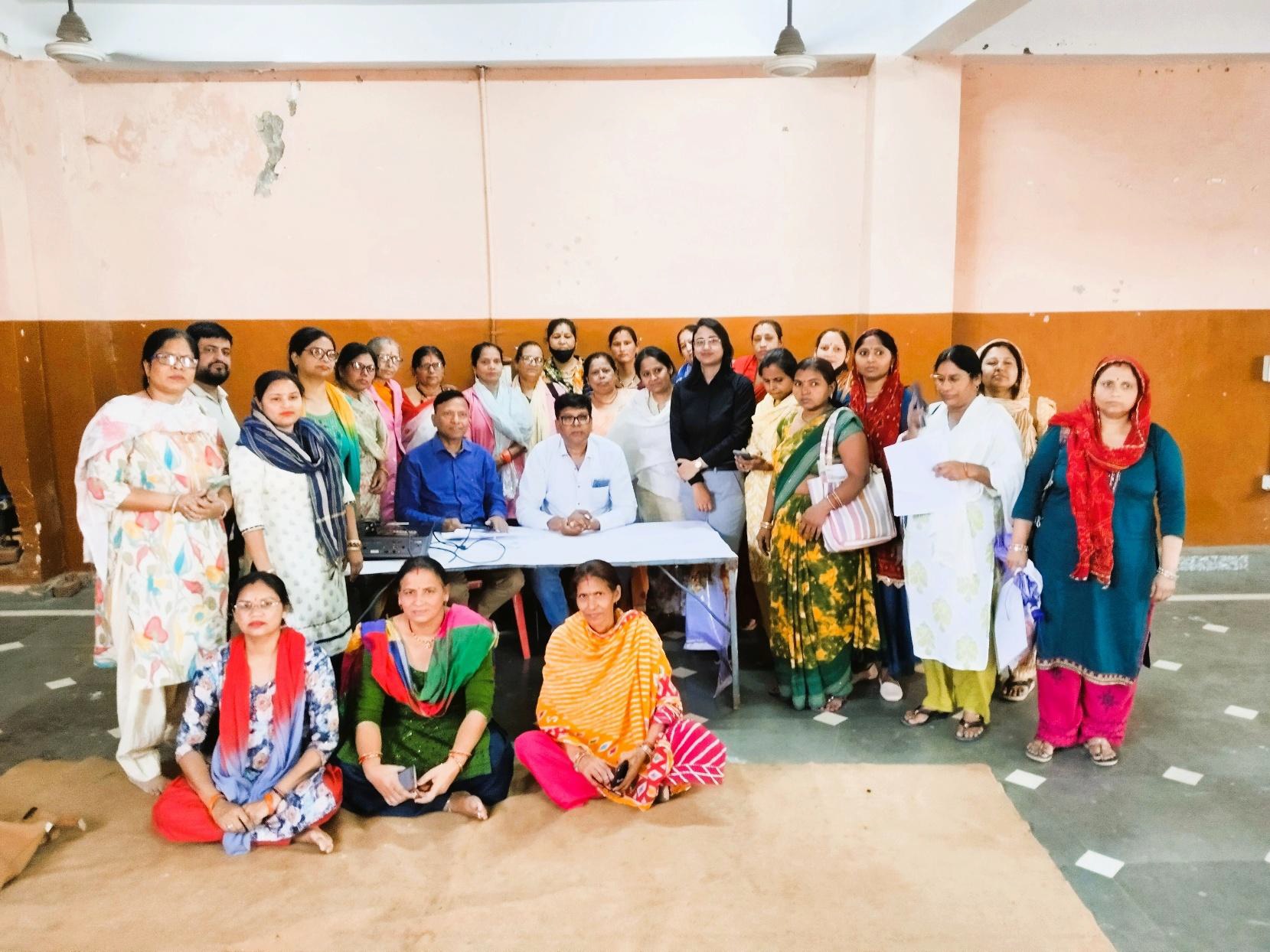
In partnership with the World Health Organization (WHO), this project aims to improve access to TB-related social welfare benefits among the urban poor in Delhi. The overarching goal is to enhance treatment outcomes and reduce out-of-pocket expenditure by integrating social protection with TB care. The project focuses on raising awareness among frontline health workers (FLWs) and TB patients about key welfare schemes available in Delhi, ensuring that the most vulnerable populations receive the support they are entitled to. Through a targeted intervention, this initiative seeks to empower patients and health workers by facilitating access to crucial welfare schemes and government benefits. By addressing the financial and social barriers to TB care, the project contributes to improved treatment adherence, completion rates, and overall well-being of TB-affected households in urban slum settings.
The schemes include:
- Old Age Pension Scheme
- Widow Pension Scheme
- Financial Assistance to Persons with Special Needs
- Delhi Family Benefit Scheme
- Delhi Arogya Kosh .
Beyond these social benefit schemes, the project also identifies and engages Nikshay Mitras while mobilizing community influencers and local leaders to actively participate in the Pradhan TB Mukt Bharat Abhiyan (PMTBMBA).
TUsing a pre–post intervention approach, the initiative engages FLWs, community leaders, and Nikshay Mitras to link TB patients with available benefits and improve treatment adherence. By demonstrating how social protection can be effectively integrated into TB care, the project is paving the way for scalable models that reduce financial barriers and improve health outcomes in urban slum settings.
Progress as of October 2025: 302 TB patients and 41 FLWs have been reached to generate awareness on TB and various social benefit schemes. 37 FLWs have been trained on TB and the processes for linking TB patients with relevant social welfare schemes.
Engaging Informal Providers to Increase Presumptive TB Cases and the introduction of tongue swabs for TB detectionIn partnership with McGill University, this pioneering study explores how engaging informal healthcare providers (IPs) and introducing oral (tongue) swab–based TB diagnostics can enhance early detection and referral of TB cases in South Delhi.
The study adopts a mixed-methods approach, combining quantitative and qualitative analyses to evaluate how training IPs impacts presumptive TB case referrals and confirmed diagnoses. Conducted over one year in two phases:
- Phase I focuses on training IPs in general TB screening, symptom identification, and referral processes, with subsequent tracking of referrals and diagnosis outcomes.
- Phase II introduces tongue swab sample collection using the TrueNAT molecular test, expanding diagnostic access through a non-invasive and easy-to-administer method.
Primary outcomes include changes in confirmed TB case notifications, while secondary outcomes assess presumptive referrals and successful referral rates. Qualitative interviews with providers, patients, and key stakeholders will further explore the acceptability, feasibility, and perceived impact of these interventions.
Progress till October 2025: the project has mapped 180 informal providers including AYUSH and, trained all of them on cases with chest symptoms, presumptive case registration in Nikshay and appropriate referral of patients to the nearest government testing facilities for diagnosis.
Out of total trained, 88% (158) providers are active and registered 512 symptomatic cases and 205 referred for diagnosis. As a result, 11 individuals diagnosed as TB positive and initiated on treatment.
By integrating IPs into the TB care cascade and piloting innovative diagnostic tools like tongue swabs, the study aims to generate evidence for scalable, community-based TB detection strategies that can strengthen India’s progress toward TB elimination.
WHP welcomes the opportunity to collaborate to implement this commitment.
Partner with Us